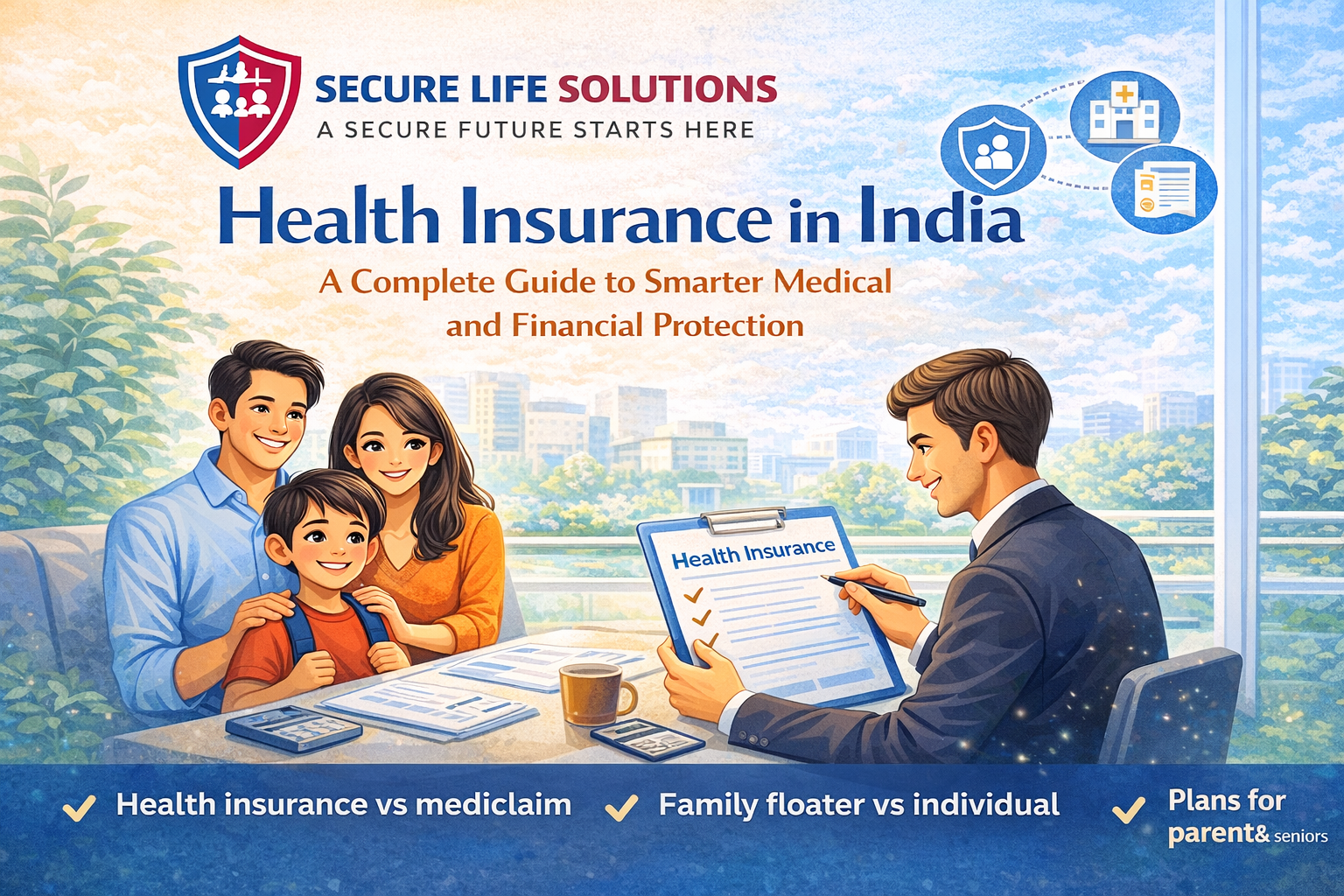
Health insurance is essential for managing rising medical costs and ensuring financial security during health emergencies. Healthcare expenses in India are rising rapidly due to medical inflation, lifestyle-related illnesses, and increasing hospitalization costs.
A single medical emergency can severely impact household finances if there is no financial protection in place.
Despite growing awareness, many people still delay purchasing health insurance or choose inadequate coverage.
What Is Health Insurance and Why It Is Essential Today
Health insurance is a financial arrangement that covers medical expenses such as hospitalization, surgeries, treatments, diagnostics, and sometimes preventive healthcare. With medical inflation consistently outpacing income growth, paying healthcare costs out of pocket can quickly become unsustainable.
Many individuals begin by understanding health insurance options to evaluate coverage scope, eligibility, and benefits. A well-structured policy protects long-term savings and ensures timely medical care.
Global healthcare cost trends studied by the World Health Organization emphasize the importance of financial protection in healthcare systems.
Health Insurance vs Mediclaim: Key Differences Explained
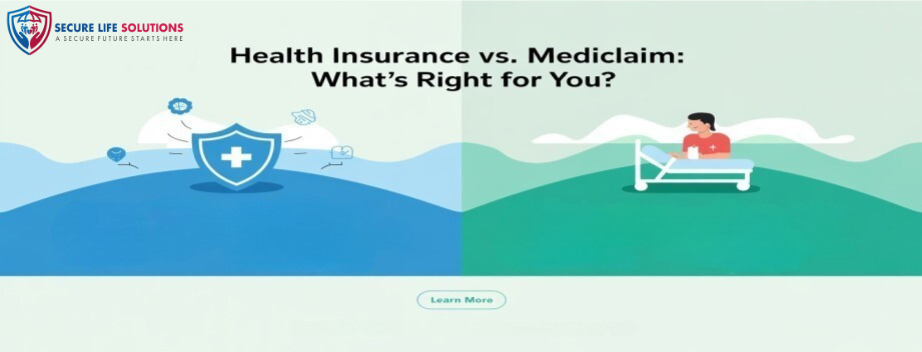
One of the most common search queries is health insurance vs mediclaim, as both are often confused.
Mediclaim policies mainly cover hospitalization expenses up to a fixed limit. Health insurance plans provide broader coverage, including pre-hospitalization, post-hospitalization, daycare procedures, modern treatments, and sometimes wellness benefits.
Understanding this distinction helps individuals avoid limited coverage. Regulatory explanations and consumer protection guidelines are provided by the Insurance Regulatory and Development Authority of India.
Types of Health Insurance Plans Available in India
Health insurance plans cater to different life stages and healthcare needs. Many people explorehealth insurance plans to compare benefits before selecting coverage.
Common types include:
Individual health insurance plans
Family floater plans
Senior citizen health insurance
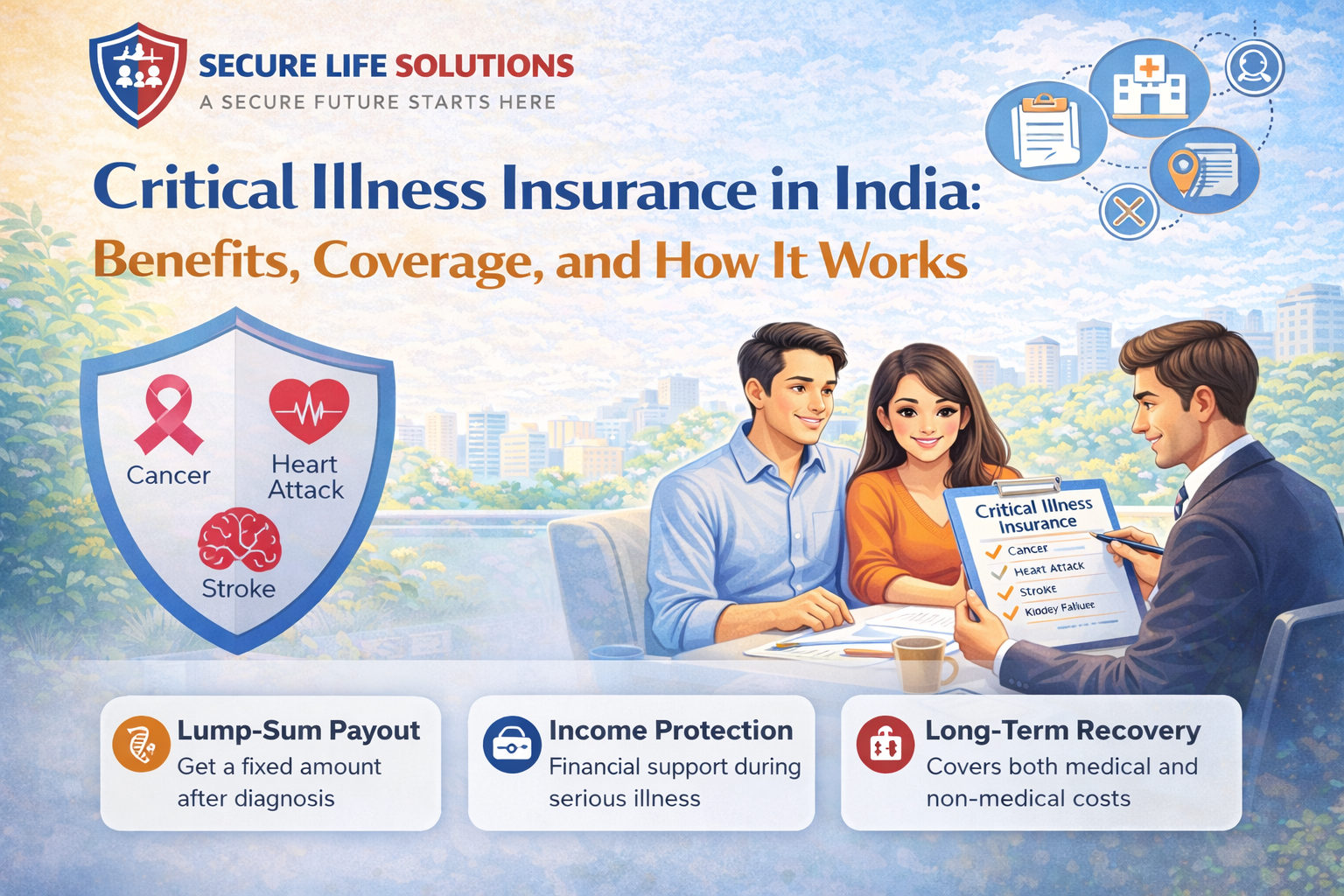
Critical illness policies
Top-up and super top-up plans
Each type addresses specific medical and financial requirements.
Family Floater vs Individual Health Insurance Plans
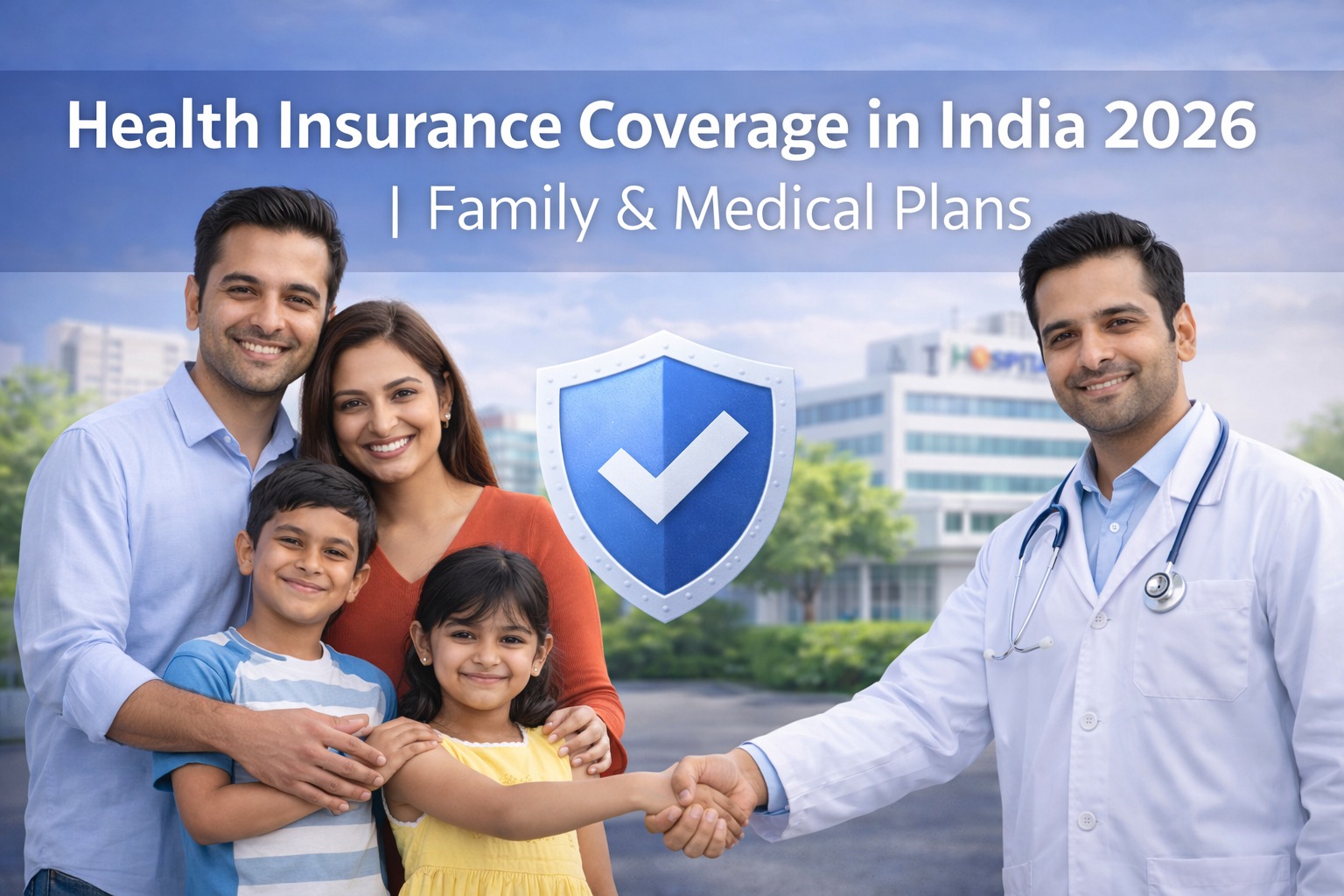
The comparison between family floater vs individual plans is especially important for households. Family floater plans cover multiple members under one sum insured, while individual plans provide separate coverage for each person.
Family floater plans are often cost-effective for young families with low medical risk. Individual plans may be better when family members have different health conditions or higher age-related risks.
Choosing the right structure ensures balanced coverage and cost efficiency.
Health Insurance Benefits for Parents
As parents grow older, medical expenses tend to increase. Many families actively look for health insurance benefits for parents to cover hospitalization, chronic illnesses, and age-related treatments.
Such plans may include higher premiums, co-payment clauses, and waiting periods, but they offer crucial financial protection. Early planning significantly reduces long-term healthcare burden.
Healthcare policies and public health programs for elderly care are documented by the National Health Portal of India.
Senior Citizen Health Cover: What to Evaluate Carefully
Selecting the right plan using a senior citizen health cover guide requires careful attention to policy details. Senior-specific plans are designed to address frequent medical needs but may include limitations.
Key evaluation factors:
Waiting period for pre-existing conditions
Co-payment percentage
Room rent sub-limits
Coverage for chronic illnesses
Clear understanding of these features prevents claim-related surprises. Educational explanations on insurance concepts are available on Investopedia.
Waiting Periods, Exclusions, and Policy Conditions
Waiting periods and exclusions are critical aspects often overlooked. Reviewing terms and conditions helps policyholders understand coverage timelines and limitations.
Waiting periods commonly apply to:
Pre-existing diseases
Certain surgeries and treatments
Maternity-related benefits
Understanding these clauses ensures realistic expectations and smoother claims.
How Health Insurance Protects Against Medical Inflation
Medical inflation in India is estimated to be between 10% and 14% annually. Hospital charges, diagnostics, and specialist consultations continue to rise. Health insurance acts as a buffer against these escalating expenses.
Many individuals study medical inflation trends through platforms such as health insurance resources to assess coverage adequacy.
Adequate sum insured and long-term renewability are key to inflation protection.
Importance of Network Hospitals and Cashless Treatment
One of the most practical benefits of health insurance is access to network hospitals that offer cashless treatment. This reduces the need for upfront payments during medical emergencies.
Understanding hospital networks before purchasing a policy ensures access to quality care when it matters most. Cashless treatment also simplifies the claim process and reduces administrative stress.
Real-Life Case Study: Financial Impact of Being Underinsured
In 2023, a 47-year-old self-employed individual from Pune was hospitalized due to a severe respiratory condition. Although he had health insurance, the sum insured was only ₹3 lakh. The total treatment cost exceeded ₹7 lakh, including ICU charges and post-hospitalization care.
The remaining expenses had to be paid from personal savings and short-term loans. This incident highlights that having health insurance is important, but having adequate coverage is equally critical.
Health Insurance and Other Risk Protection Solutions
Health insurance works best when combined with other forms of protection such as life and asset insurance. Many individuals explore general insurance options alongside health coverage to manage risks related to vehicles, property, and business assets.
A holistic risk management approach ensures comprehensive financial protection.
Using Educational Resources to Make Better Decisions
Understanding insurance requires continuous learning. Many users refer to blogs for educational content, real-life scenarios, and planning insights that simplify complex insurance concepts.
Such resources help individuals stay informed and make confident decisions.
Role of Professional Guidance and Insurance Services
Insurance needs evolve with age, lifestyle changes, and family responsibilities. Many people periodically review coverage through services to ensure their policies remain aligned with current healthcare needs.
Professional reviews help identify coverage gaps and opportunities for improvement.
When Should You Buy Health Insurance?
The best time to purchase health insurance is when you are young and healthy. Early purchase offers:
Lower premiums
Shorter waiting periods
Broader coverage options
Delaying purchase often leads to exclusions and higher costs.
Where to Seek More Information and Support
For general information or clarification, individuals often explore about us sections or reach out via contact us pages to seek guidance.
Final Thoughts
Health insurance is no longer optional; it is a necessity in today’s healthcare environment. From understanding health insurance vs mediclaim to choosing plans for parents and senior citizens, informed decisions can prevent financial hardship during medical emergencies.
With rising medical inflation, unpredictable health risks, and increasing treatment costs, proactive health insurance planning ensures financial stability, peace of mind, and access to quality healthcare when it is needed most.
Health insurance offers broader coverage, including pre-hospitalization, post-hospitalization, daycare procedures, and sometimes wellness benefits.
A family floater plan is cost-effective for young families with fewer health risks, as one sum insured covers all members.
The recommended coverage depends on factors such as age, city, lifestyle, and medical history.
Yes, most health insurance plans cover pre-existing diseases, but only after a waiting period.
The best time to buy health insurance is when you are young and healthy.







.jpg)





.jpg)





.png)
.png)
.png)






.png)
.png)
.png)
.png)