
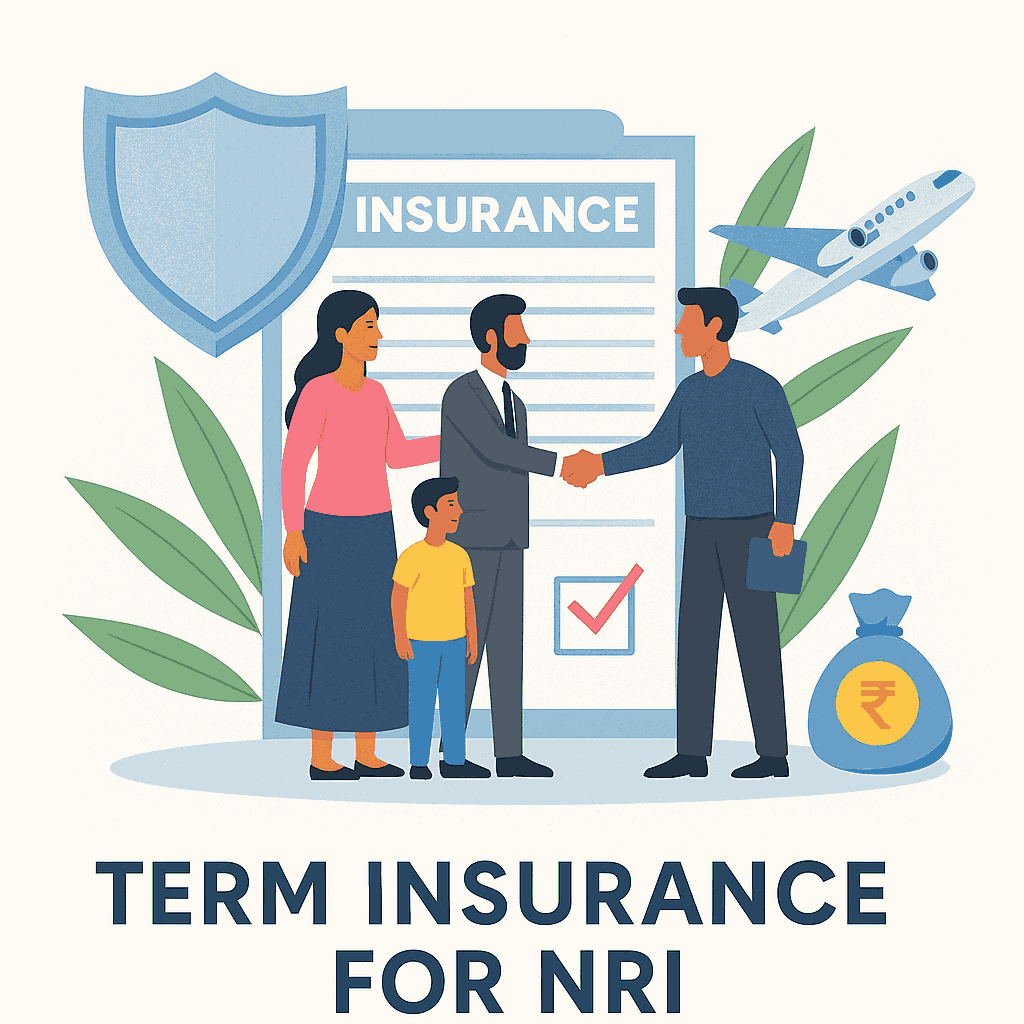
Term insurance is a pure life insurance plan that offers financial protection to your family in case of your unfortunate demise during the policy period. In simple terms, you pay a premium for a fixed number of years (the “term”), and if anything happens to you within that period, your family receives the sum assured.
Unlike other life insurance policies, term insurance does not offer maturity benefits. Instead, it focuses entirely on providing a high-value cover at a very affordable premium.
Life is unpredictable, but your family’s financial future doesn’t have to be. Term insurance ensures that your spouse, children, or dependents are protected from financial burdens such as:
Household expenses
Loan repayments
Education costs
Medical bills
Long-term financial goals
With a single policy, you can secure peace of mind knowing that your loved ones will remain financially stable even in your absence.
1. High Coverage at Low Premium
Term plans offer some of the highest life covers at the lowest prices. For example, a young healthy individual can get a coverage of ₹1 crore at a very affordable monthly premium.
2. Flexible Policy Tenure
You can choose the duration of your cover 10, 20, 30 years, or even up to the age of 80 or 99, depending on the insurer.
3. Multiple Payout Options
Your family can receive the sum assured in:
Lump-sum amount
Monthly income
Combination of both
This helps them manage long-term financial needs efficiently.
4. Add-On Riders
You can enhance your policy with riders such as:
Critical illness cover
Accidental death benefit
Waiver of premium
Disability cover
These add extra protection against real-life risks.
5. Tax Benefits
Under Section 80C of the Income Tax Act, premiums paid for term insurance are tax-deductible. Additionally, death benefits are exempt under Section 10(10D).
The concept is simple:
You choose a sum assured (coverage amount).
Select your policy term (duration).
Pay your premiums regularly monthly, quarterly, or yearly.
If the policyholder passes away during the term, the insurer pays the sum assured to the beneficiaries.
If you outlive the policy term, the plan expires (unless you choose a “Return of Premium” variant).
1. Level Term Insurance
The sum assured remains constant throughout the policy term. This is the most common option.
2. Increasing Term Insurance
The sum assured increases every year to help beat inflation.
3. Decreasing Term Insurance
Coverage reduces each year, often used for covering loans or mortgages.
4. Term Insurance with Return of Premium (TROP)
You get back all paid premiums at the end of the term if you survive it.
5. Group Term Insurance
Usually provided by employers to employees as part of benefits.
Term insurance is suitable for:
Young professionals just starting their careers
Married individuals with dependents
Parents with young children
Business owners
People with loans or liabilities
Anyone who wants affordable life protection
If someone depends on your income, you must have a term plan.
The earlier you buy, the better. Premiums are significantly lower when you are young and healthy.
For example:
A 25-year-old may pay half or even one-third of what a 40-year-old would pay for the same coverage.
Buying early also ensures full coverage before any health issues develop.
Experts recommend coverage of at least 10–15 times your annual income.
For example:
If your annual income is ₹10 lakh, your minimum recommended cover is ₹1 crore.
You should also factor in:
Existing loans
Children’s education
Lifestyle of dependents
Long-term financial goals
1. Financial Protection for Family
Ensures that your family can maintain their lifestyle even in your absence.
2. Protection Against Liabilities
Your family is protected from the burden of repaying personal loans, home loans, or business loans.
3. Peace of Mind
You can focus on your goals knowing your loved ones are financially protected.
4. Flexibility
Choose coverage, add-ons, tenure, and payout formats based on your needs.
5. Affordable Premiums
Compared to other insurance products, term insurance offers the highest coverage at the lowest price.
Premiums depend on:
Age
Gender
Health condition
Smoking habits
Occupation risk
Policy duration
Coverage amount
Add-on riders
Maintaining a healthy lifestyle can significantly reduce your premium.
Choosing insufficient coverage
Always calculate financial needs before selecting the sum assured.
Not reading policy terms
Understand exclusions, claim process, and riders before purchasing.
Delaying purchase
Premium increases with age buy early.
Hiding health information
Non-disclosure can lead to claim rejection.
Here’s a quick checklist:
Determine your required coverage
Calculate expenses, liabilities, and future needs.
Choose a trusted insurer
Consider claim settlement ratio and reputation.
Compare premiums
Lower is not always better check benefits too.
Opt for essential riders
Critical illness and waiver of premium riders add significant value.
Understand the payout method
Choose what is best for your family's future management.
Go for long-term coverage
Preferably till age 65–75 or beyond.
Term insurance is not an expense it is an investment in peace, protection, and stability.
It ensures:
Your family is financially independent
Your children’s dreams remain unaffected
Your loans don’t become a burden
Your spouse does not face financial stress
For a small premium, you can secure your family’s entire future.
Term insurance is one of the simplest yet most powerful financial tools available today. It ensures that your family remains secure, protected, and financially stable even if life takes an unexpected turn. With affordable premiums, high coverage, flexible options, and tax benefits, term insurance should be a core part of every individual’s financial planning.
Buying term insurance early, choosing the right coverage, and including essential riders can maximize its benefits. Your family deserves financial protection and term insurance makes it possible.
1. What is term insurance?
Term insurance is a life insurance policy that provides financial protection to your family in case of the policyholder’s death during the policy term.
2. Does term insurance have maturity benefits?
Traditional term plans do not offer maturity benefits, but TROP (Return of Premium) plans return the premiums paid.
3. Who should buy term insurance?
Anyone with financial dependents such as spouses, children, parents, or loans should buy term insurance.
4. Is the premium for term insurance tax-deductible?
Yes, premiums are eligible for deductions under Section 80C, and death benefits are exempt under Section 10(10D).
5. Can I increase my term insurance cover later?
Some insurers allow increasing coverage during major life events like marriage or childbirth. Check policy features before buying.








.jpg)





.jpg)







.png)

.png)
.png)








.png)
.png)
.png)
.png)